
Geschichten
von Betroffenen
„Mein Leben mit Sichelzellenanämie...“
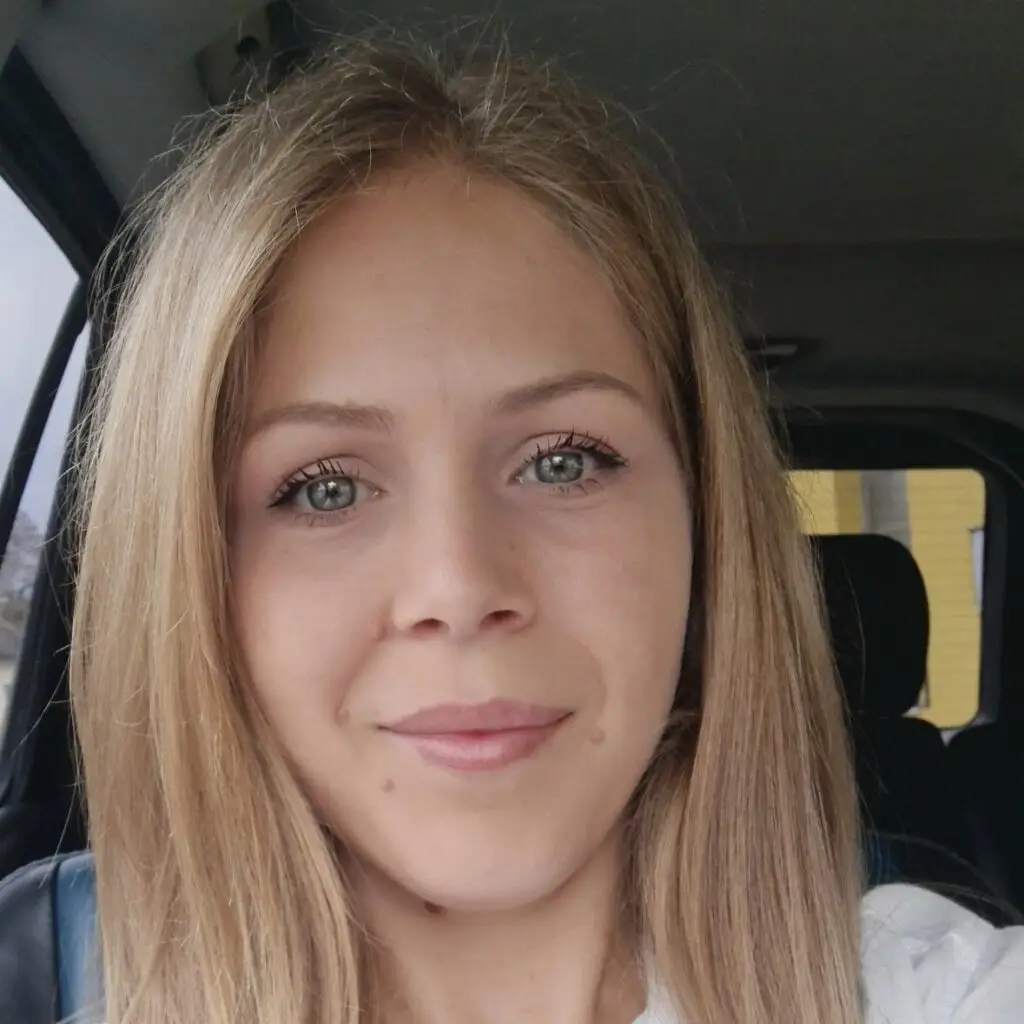
Mein Leben mit Sichelzellenanämie bedeutet, mit einer unsichtbaren Last zu leben, die nicht jeder sieht, aber die meinen Alltag prägt. Es gibt Tage, an denen ich mich stark fühle, als könnte ich alles schaffen. Aber es gibt auch Momente, in denen die Schmerzen so plötzlich und heftig kommen, dass sie alles andere in den Hintergrund rücken. Ich lerne, meinen Körper zu verstehen, Grenzen zu akzeptieren und trotzdem meine Träume nicht aufzugeben. Jede gute Phase fühlt sich wie ein kleiner Sieg an, jeder Rückschlag wie eine Erinnerung daran, wie wichtig Selbstfürsorge ist. Mein Leben ist herausfordernd, aber auch voller Hoffnung, Stärke und Menschen, die mich unterstützen.
Rovena Morina
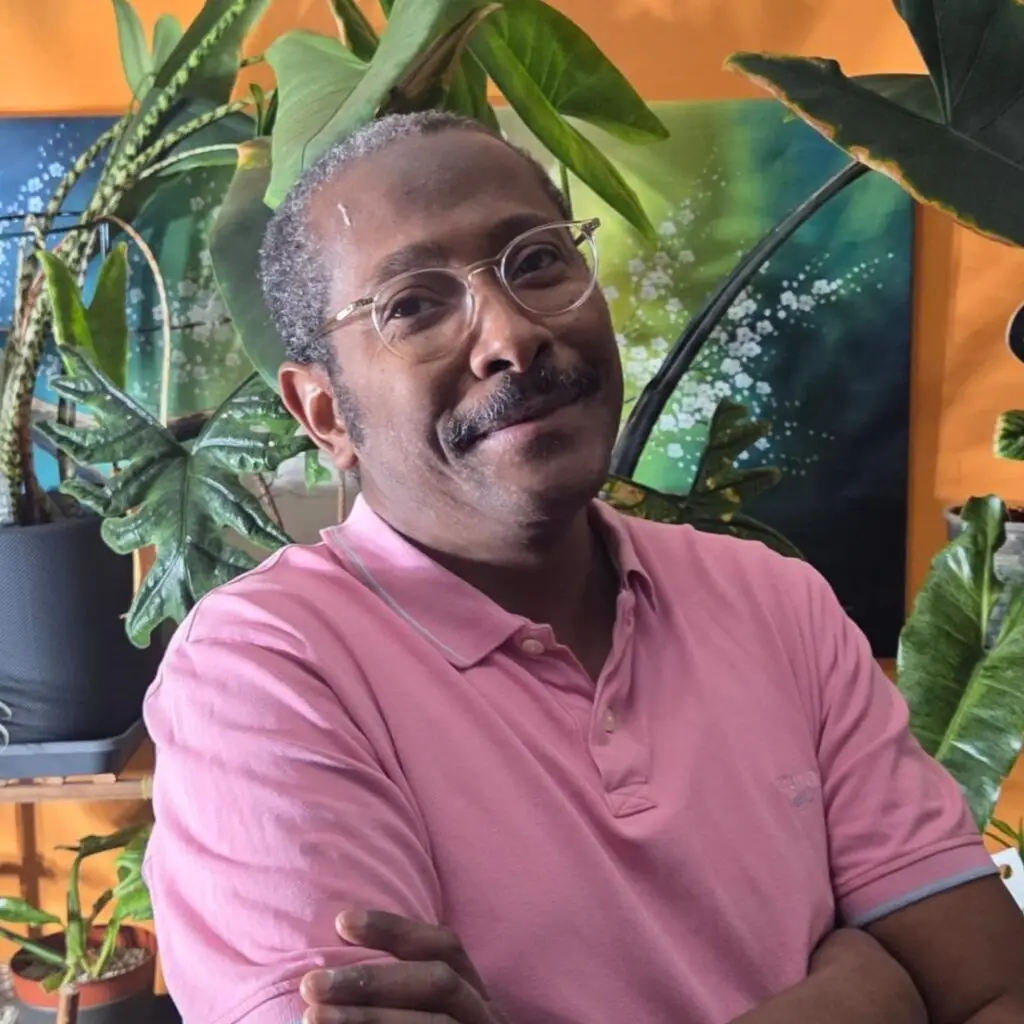
Mein Name ist Georges-Henri, ich bin 51 Jahre alt und habe Sichelzellenkrankheit (HbSS). Ich komme ursprünglich aus den französischen Antillen (Guadeloupe) und lebe seit 2011 mit meiner Frau und meinem Sohn in Österreich. Ich arbeite mit Menschen mit Behinderung in einer Wohngemeinschaft als Pflegeassistent und Betreuer. Bevor ich nach Österreich kam, wurde ich in einem Spezialzentrum in Paris behandelt und werde nun von Prof. Sillaber am AKH in Wien betreut.
Georges-Henri
I’m Beatriz, 45 years old, married and mother of two wonderful girls.
I was born with sickle cell disease in Angola, living in a very poor environment. There it was almost impossible to go to doctors and even worse to get a proper diagnosis and treatment. Nobody had a clue about sickle-cell. I was treated with traditional medication and was, because of my sickle cell pain attacks, called a tabu child.
With 10 years my uncle took me to live with his family in Namibia. There it took also quite some years till I got a right diagnosis and basic treatment. After I married I moved to Austria where the access to good doctors was much easier than in Africa, but here I had the problem that only few specialists know about sickle cell disease and how to treat somebody with a beginning pain crisis. Going to the hospital in case of a crisis especially outside of Vienna, where I have my specialist in the University hospital, is always a big struggle.
Whatever I say, nobody listens to me. I’m always trying to tell them that I need oxygen, painkillers and maybe a blood transfusion. Especially when it comes to getting your painkillers it’s a big problem. They always presume that I’m addicted, although at a beginning crisis it’s very important to act very fast and give the right (high) amount of painkillers.
That’s why I work within our patient organization “Thalsifo” to increase the awareness for sickle cell disease and how to treat it, to improve the life for all patients with sickle cell disease.
Beatriz Amlacher